
On October 24 and 25, 2026, WACHA hosted a tasting seminar at JAPAN TEA EXPO 2026,
exploring the question: “Why does the same matcha taste different in a different bowl?”
Participants compared the same matcha served in a conventional white porcelain tea bowl
and a Raku tea bowl made by Hanasennin.
Thank you to everyone who joined us and everyone who supported the sessions.
Discovering What a Bowl Can Bring to Tea
The experience of matcha involves more than the tea itself.
The feel of a bowl in the hands, its rim against the lips,
and the way its aroma reaches us can all become part of a sip.
During the tasting, participants took time to explore these sensations,
paying attention to each bowl’s weight, shape, and texture.
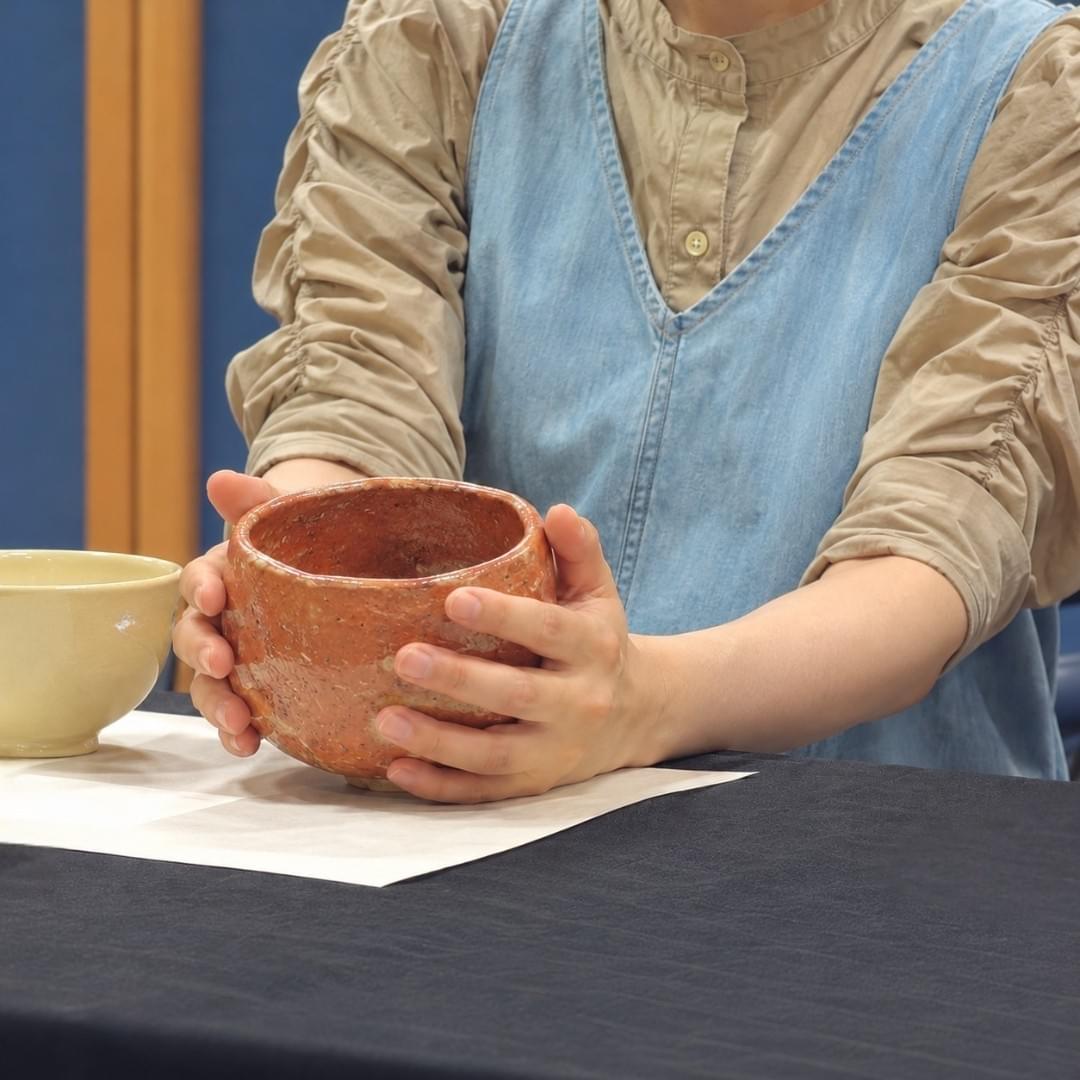
Many expressed surprise at the differences they perceived.
Some found the mouthfeel softer and the taste mellower in the Raku bowl, remarking that it was hard to believe the matcha was the same.
A few even expressed an interest in purchasing a Raku tea bowl after the experience.
The sessions received a very positive response.
We were especially pleased to see participants discover differences for themselves
and share their impressions with one another.
Meeting the Hands Behind the Bowl
Alongside the tasting, we introduced the history of Raku tea bowls, Hanasennin’s work, and his distinctive approach to making them.
The special sessions included a live demonstration by Yukio Ota, a student of Hanasennin.
Participants watched as he guided soft clay into the form of a tea bowl entirely by hand, without a potter’s wheel.
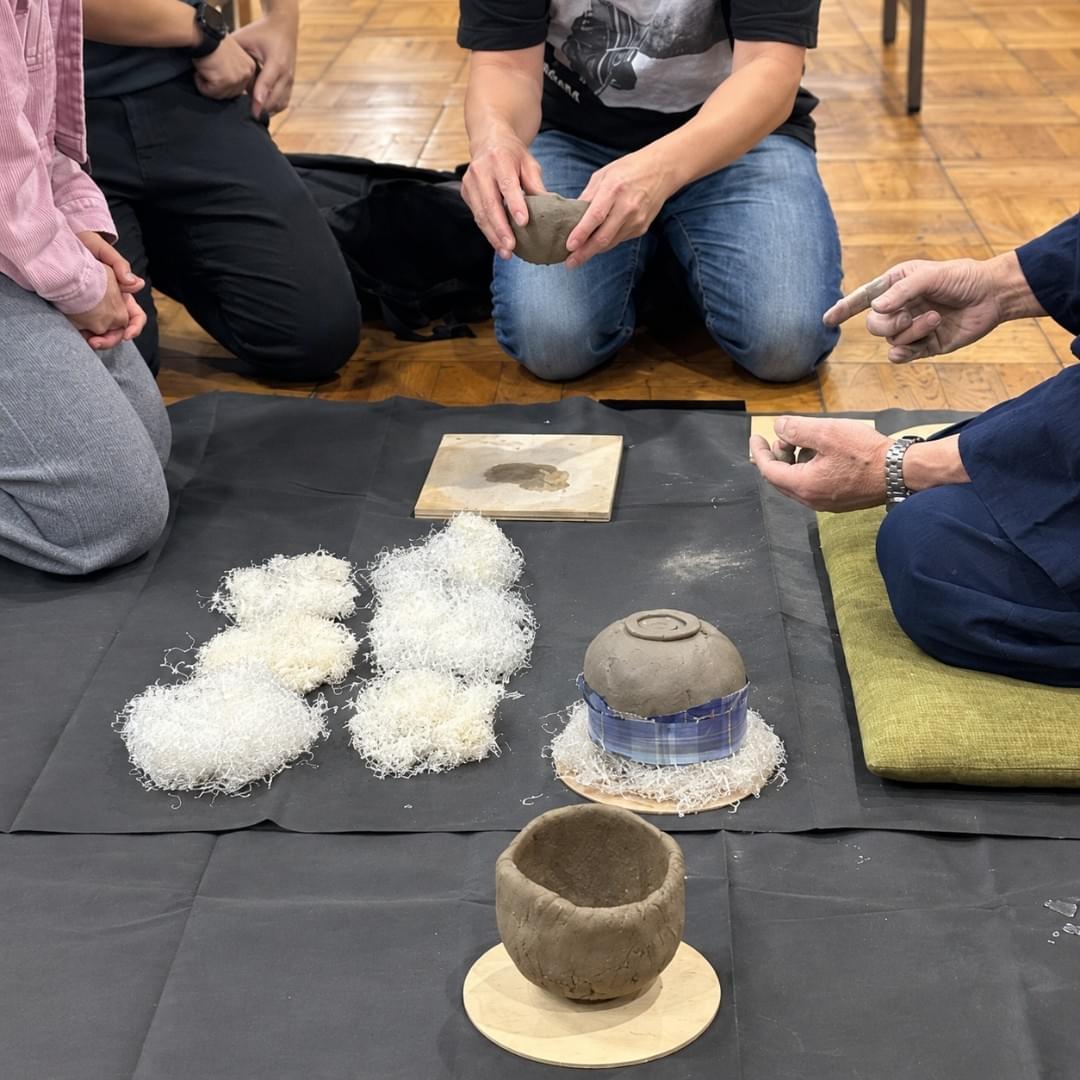
They also had the opportunity to touch the clay, with some expressing surprise at just how soft it was.
The demonstration connected the shape and feel of the finished bowl with the material and skill behind it, bringing together the perspectives of maker and user.
Sharing WACHA’s Beginnings
WACHA began with our founder’s wish to bring the Raku tea bowls left by her grandfather, Hanasennin, into everyday life.
Whisking matcha, holding a bowl, and taking a sip can open up new connections with tea, craft, and the people behind them. These are the moments we value.
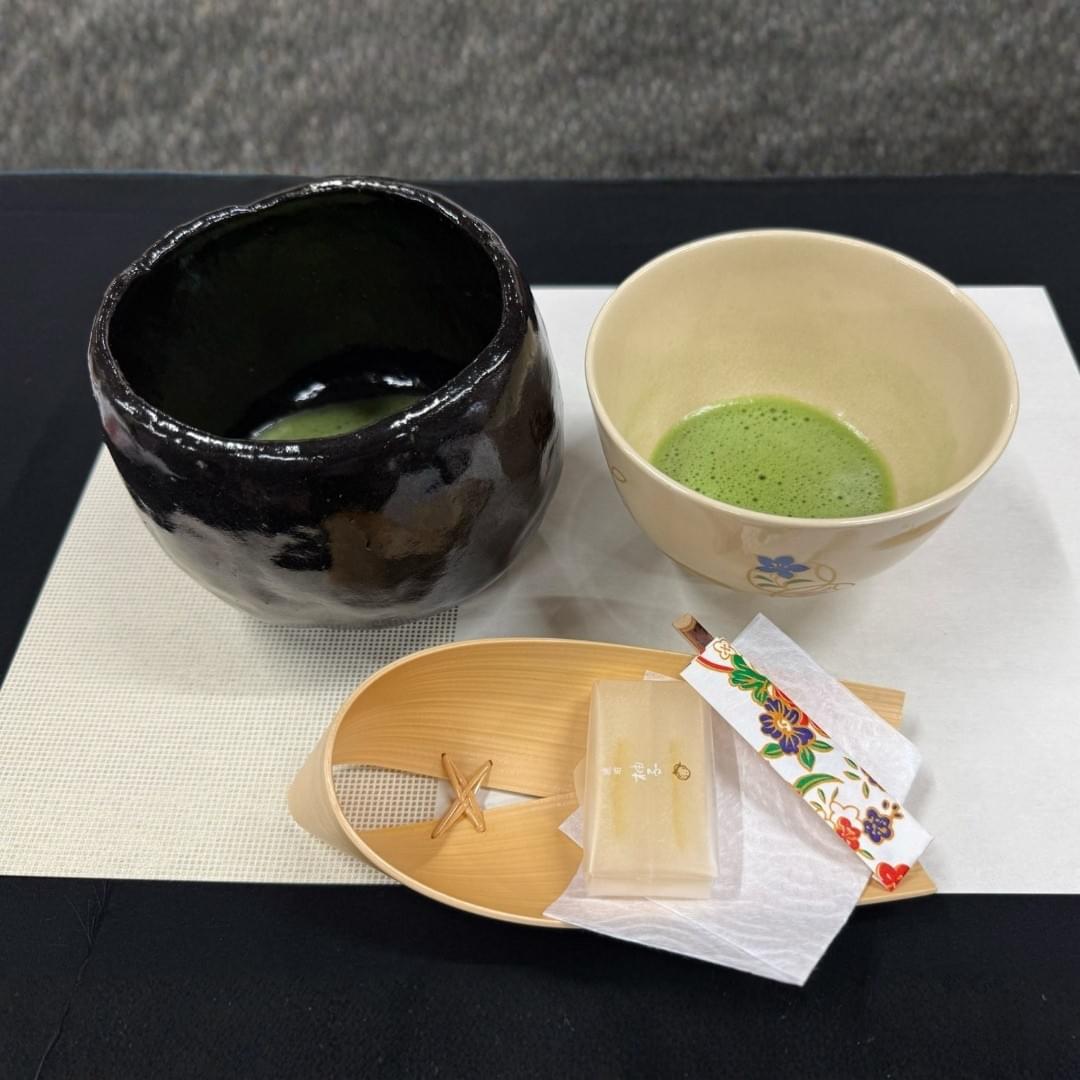
Sharing Hanasennin’s bowls with participants, and hearing their discoveries firsthand, brought us back to that starting point.
We will carry their feedback into our future activities and continue creating opportunities to enjoy whisking matcha and using tea bowls in everyday life.
Thank you for sharing this experience with us.