thumbnail image
WACHA logo — Botanical matcha brand for color-based wellness rituals

A Ritual of Color and Stillness

  • HOME
  • MISSION
  • ABOUT US
  • MATCHA
  • MATCHA THERAPY
  • GREEN MATCHA
  • BLUE MATCHA
  • RED MATCHA
  • RAKU WARE
  • NEWS
  • …  
    • HOME
    • MISSION
    • ABOUT US
    • MATCHA
    • MATCHA THERAPY
    • GREEN MATCHA
    • BLUE MATCHA
    • RED MATCHA
    • RAKU WARE
    • NEWS
    ONLINE SHOP
    WACHA logo — Botanical matcha brand for color-based wellness rituals
    WACHA logo — Botanical matcha brand for color-based wellness rituals

    A Ritual of Color and Stillness

    • HOME
    • MISSION
    • ABOUT US
    • MATCHA
    • MATCHA THERAPY
    • GREEN MATCHA
    • BLUE MATCHA
    • RED MATCHA
    • RAKU WARE
    • NEWS
    • …  
      • HOME
      • MISSION
      • ABOUT US
      • MATCHA
      • MATCHA THERAPY
      • GREEN MATCHA
      • BLUE MATCHA
      • RED MATCHA
      • RAKU WARE
      • NEWS
      ONLINE SHOP
      WACHA logo — Botanical matcha brand for color-based wellness rituals
      • RAKU | Hanasennin’s Tea Bowls

        — The Origin and Cultural Symbol

        of WACHA

        The moment you hold a bowl, the ritual begins.

        WACHA’s story traces back to the life of a single ceramic artist:
        Hanasennin ( 加藤長一 / Nagakazu Kato )

        — a visionary who dedicated himself

        to creating tea bowls that embodied the spirit of peace.

        He believed deeply that:

        “If every person could brew tea in their own bowl, the world would move closer to harmony.”

        This philosophy shaped WACHA’s values.
        To honor his legacy, we carry his vision forward as a modern tea brand redefining the future of Japanese tea culture.

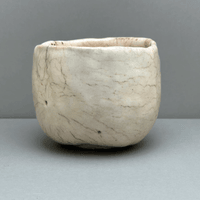
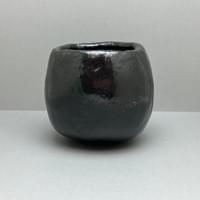
        Hanasennin Raku Tea Bowl — a handcrafted raku piece created with unique techniques using clay from Enoshima and Kamakura
        Hanasennin Raku Tea Bowl — a handcrafted raku piece created with unique techniques using clay from Enoshima and Kamakura
      • A Singular Craft | Tea Bowls Formed Only by Hand

        Each RAKU bowl is shaped entirely by hand from a single mass of clay.


        No wheel. No molds. Only the sculptor’s bare hands, breath, and intuition.

        This ultra-minimal technique

        —known as tezukune (手捏ね)—

        creates:

        A form that reflects the rhythm of the maker’s body

        Natural asymmetry that feels alive

        Soft edges that invite the fingertips

        Warmth that becomes part of the drinking experience

        Every bowl is one-of-a-kind.
        No two will ever be the same, because no two gestures of the human hand are the same.

        This is why RAKU has long been called

        “the ultimate tea bowl.”

      • Inheriting the Spirit of Sen no Rikyu

        The philosophy of RAKU is intertwined with the teachings of Sen no Rikyu,

        the greatest master of the tea tradition.

        Rikyu emphasized:

        “Tea is nothing more than boiling water, preparing tea, and drinking it.”
        A seemingly simple view — but one that pointed toward an inner stillness and non-ornamental beauty.

        Kasenjin absorbed this spirit deeply, shaping bowls where:

        Simplicity becomes presence

        Imperfection becomes harmony

        The vessel becomes a mirror of the mind

        Each bowl carries the lineage of this quiet, powerful aesthetic.

      • The Life and Story Behind the Creation

        Hanasennin was a once-forgotten ceramic genius,

        rediscovered through his radical approach to clay.

        His hands shaped thousands of tea bowls,

        each a quiet record of resilience and spirit.

        Later, his work was recognized by scholars and exhibitions across Japan,

        acknowledging him as a rare craftsman of his time.

        Section image

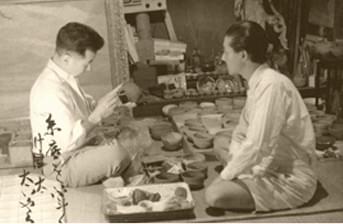
        Born in 1917 into an old family in Shinjuku’s Kabukichō district

        Hana Sennin first trained as a painter, studying oil painting under Takeji Fujishima at the Tokyo School of Fine Arts. However, during the war he lost his home, his artworks, and even his teacher.
        Trauma from these experiences left him unable to paint for years.It was a single remark from his wife that guided him toward a new path—
        the world of ceramics.

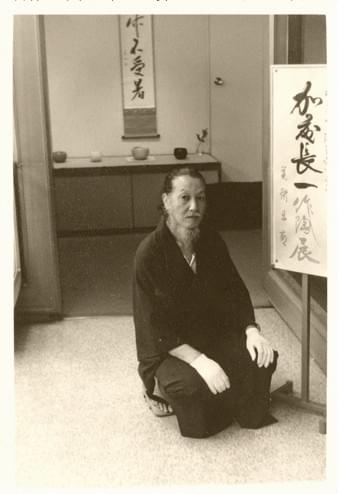
        Hanasennin, Raku Artist — a ceramic creator who developed a unique raku technique using Enoshima and Kamakura clay

        Under the guidance of Kōzō Yoshida (nephew of famed painter Gyoshū Hayami)

        he formally trained in the tradition of Raku ware.
        Working with clay from Enoshima and Kamakura, he gradually developed his own distinctive techniques.

        Hanasennin, Raku Artist — a ceramic creator who developed a unique raku technique using Enoshima and Kamakura clay

        Over the next twenty years, he created more than 1,000 Raku tea bowls.

        After his passing, his work received high praise from leading experts,
        including Seizo Hayashiya, one of Japan’s foremost ceramics scholars,
        and Chōzaemon Ōhi, head of the renowned Ōhi ware lineage.

      • The Relationship Between Matcha and the Vessel — Embodiment at the Center

        A tea bowl is not separate from tea.
        The vessel shapes the experience:

        The warmth you feel

        The sound of whisking

        The texture against your lips

        The way color gathers in the curve of the bowl

        A bowl is the “body” of the ritual.
        Matcha is the “breath.”

        Together, they complete each other.

      • What WACHA Inherits — A Wish for Peace

        Hanasennin held a single, unwavering wish:

        “For every person in the world to enjoy peaceful tea in their own bowl.”

        At WACHA, we carry this belief into the present.
        We combine botanical matcha, craft traditions,

        and modern technology to create a new, universal tea ritual for all.

        This is the future of tea culture we envision.

      • RAKU Tea Bowl Preservation Project

        (WACHA Initiatives)

        WACHA actively works to preserve Kasenjin’s legacy:

        • Archiving his works
        • Restoring surviving tea bowls
        • Exhibiting and researching historical pieces
        • Supporting future ceramic artists
        • Documenting traditional techniques for generations to come

        This is WACHA’s commitment to cultural continuity.

      • Completing the Ritual

        — The Moment You Hold a Bowl

        Whether brewing Green, Blue, or Red Botanical Matcha,
        your bowl becomes:

        A grounding companion

        A mirror of your inner state

        A partner in your everyday ritual

        The tea you choose is personal.
        The bowl you hold makes it whole.

        WACHA exists to bring that moment into your life—
        a moment where tradition, craft, and your own breath meet.

      • RAKU Tea Bowl Gallery

        Explore Hanasennin’s Works
        Contact Us


      About Us

      Our Mission


      Contact Us

      info@wacha.info

      Antique Trader's License License No. : 452660010988

      Managing Director:

      Hanayo Kato

      © 2021 Allrightsreserved

        Cookie Use
        We use cookies to ensure a smooth browsing experience. By continuing we assume you accept the use of cookies.
        Learn More